


A client message came in the morning the ruling dropped. Not about the ruling itself. About whether they should "diversify their SEO to other search engines" because they had read something about Google being in trouble. This is how most business owners experience major search industry news: through anxiety, half-read headlines, and the wrong conclusion.
The federal court's decision to let Google's $20 billion annual deal with Apple stand didn't surprise anyone who had been watching the case closely. What surprised me was how little the SEO industry actually processed what this ruling confirms about the structure of search, not just for now but for the foreseeable future.
Twenty billion dollars a year buys you the default search position in Safari, which is the browser on every iPhone and iPad that ships without a settings change. That's not just market share. That's behavioural infrastructure. The vast majority of mobile users never change their default search engine. They don't think about it. They tap the address bar, they search, and Google gets the query. The ruling means that chain stays intact.
For SEO practitioners, the conversation this should be starting is not about whether to diversify to Bing. Bing's AI integration is genuinely interesting, and I've seen a handful of niche B2B clients pick up meaningful traffic from it over the last eighteen months. But as a strategic priority for a small or mid-sized business, chasing alternative engine optimisation when over 90% of mobile search stays on Google through this deal isn't a strategy. It's a distraction with a good story attached.

Image credit: Screenshot from "Google monopoly ruling may pose $20 billion risk for Apple | REUTERS" by Reuters on YouTube (https://www.youtube.com/watch?v=x3k5-QSS6no).
What the ruling actually confirms is something more uncomfortable for the industry to sit with: Google has no structural pressure to slow down its product changes. The AI Mode rollout, the continued expansion of zero-click answers, the ongoing reduction of organic real estate on competitive queries. None of that requires Google to consider what a competitor might offer instead, because for most users there is no moment of comparison. You get Google, and you either learn to work within what Google is building or you lose ground to those who do.
I spent part of last year watching clients who had been promised multi-engine SEO strategies by agencies trying to look forward-thinking. The actual work being delivered was identical to standard Google SEO with some additional meta descriptions formatted for Bing. The pitch was that antitrust pressure might fragment the market. The execution never matched the pitch, and the results on anything other than Google were negligible. Those agencies weren't necessarily wrong to read the market that way. The antitrust case was genuinely uncertain for a while. But the positioning was sold to clients as risk mitigation when it was actually just padding a scope of work.
What the ruling changes, practically, is the planning horizon. A business that has been holding off on investing seriously in Google SEO because they believed the landscape might fragment can stop waiting. The distribution channel isn't going anywhere. The question is what you're building inside it.
That's where the ruling becomes a harder conversation, because the Google you're locked into is not the same Google from five years ago. The deal with Apple doesn't just preserve Google's market position. It preserves Google's ability to keep remaking what search looks like for users without being forced by competitive pressure to protect the clicks that used to flow to organic results. The court kept the distribution intact. The product inside that distribution keeps changing on its own schedule, answerable to nobody.
One thing I expected after the ruling was a round of serious analysis from the SEO industry about what this means for organic strategy. Most of what appeared was either dismissive, treating it as purely a business and legal story with no SEO implications, or it was inflated into a crisis narrative that served the people selling AI search survival consulting packages. Neither framing was useful. The honest read sits squarely in the middle.
Google's dominance on mobile is now confirmed to be structurally protected for the duration of any realistic planning window a small business operates in. That means the work is building visibility inside an environment where Google controls the rules and keeps changing them, without any competitor forcing accountability to organic publishers. It has always been that environment. A federal court just confirmed it stays that environment.
The client who messaged me that morning asked whether they should be worried. The answer I gave them is the same one the ruling actually supports: stop worrying about whether Google will still be dominant on your customer's phone, and start worrying about whether Google understands your business clearly enough to surface it when that customer searches, because those are completely different problems and only one of them is yours to solve.
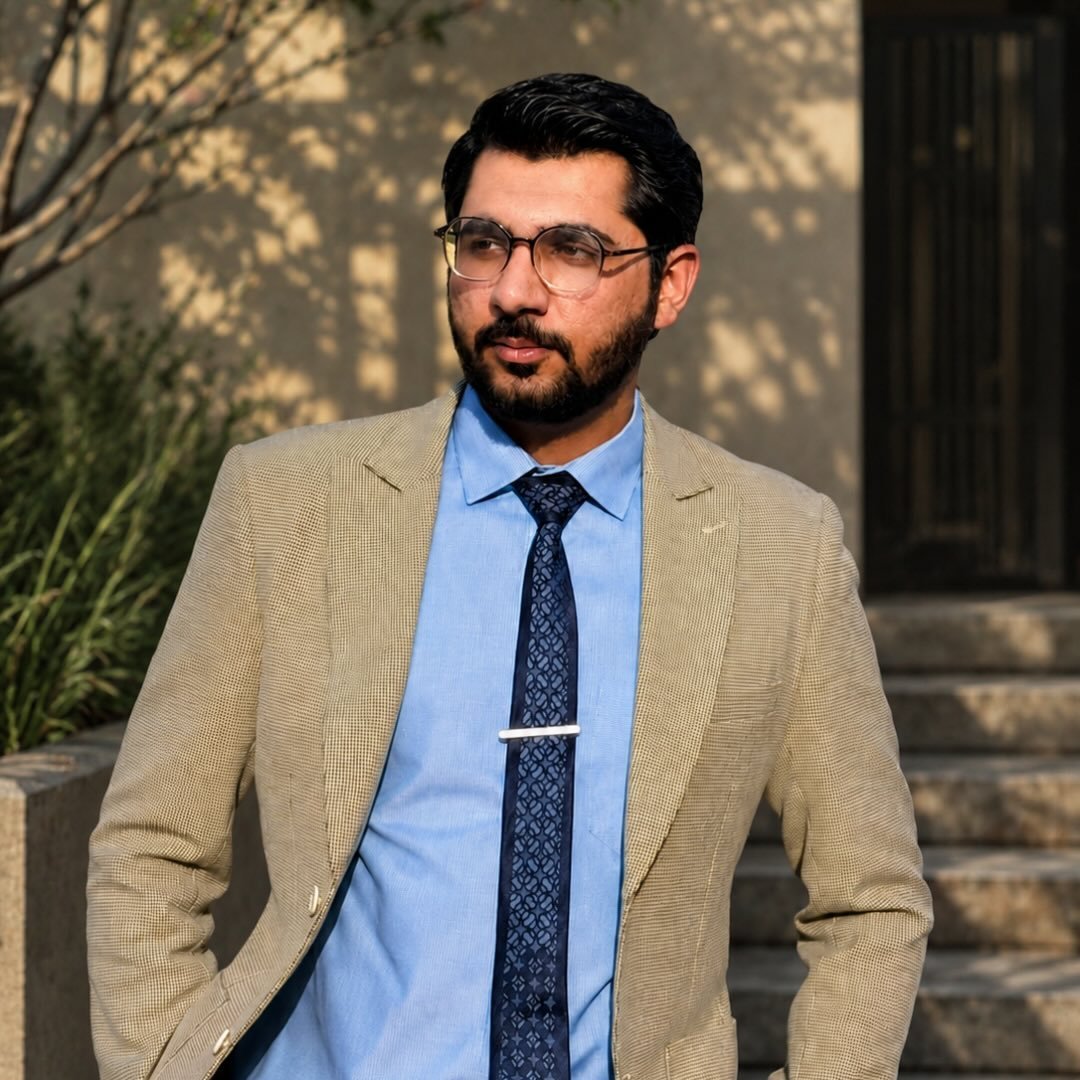
Waleed Qamar holds a BSc in Computer Science from Purdue University and has spent the years since turning that technical foundation into something the curriculum never covered: figuring out why websites rank, why they fall, and why most businesses never find out until it is too late.
Pakistan-born and based between the United States and South Asia, he has managed search visibility for e-commerce stores, local service businesses, and SaaS startups across two continents. He started in SEO when guest posting still worked, survived the Penguin update, and has rebuilt client sites from scratch after algorithm hits more than once.
He has watched good businesses get sold packages that looked like progress and delivered nothing lasting. He has also seen the right approach quietly double a site’s traffic without a single press release about it.
His writing on SEO By Highsoftware99 covers Google algorithm updates, autocomplete optimization, semantic SEO structure, and the widening gap between what agencies promise and what Google actually rewards in 2026.
He knows what a traffic cliff looks like in Search Console on the morning you discover it.
