


Something shifted in one of my client's analytics in late winter. Not dramatically. Not the kind of movement that makes you call someone at 9 PM. Just Bing's share of their organic referrals climbing from just under 4 percent of sessions to nearly 7 percent over six weeks. The site is in the home improvement space, US traffic, majority desktop. That kind of shift does not happen without a reason.
The reason was the Google antitrust remedies. Specifically the piece that almost nobody in SEO was paying attention to while the industry was busy debating whether a Google breakup would end the world or save it.
Here is what the judge said no to: the structural remedies. The DOJ wanted Google to sell Chrome. Wanted to force a separation between the search engine and the distribution advantages that had made Google the default starting point for almost every search on almost every device for over a decade. The DOJ argued those arrangements were the mechanism of the monopoly. The judge looked at the full scope of that request and rejected it. That is the headline that circulated through SEO forums for a week and generated roughly ten thousand takes about what it meant for the future of search.
Here is what the judge did order: Google cannot pay to be the exclusive default search engine on browsers and devices. Those agreements, the ones sending Apple billions annually to keep Google as Safari's default, and making parallel arrangements with Android manufacturers, were the specific conduct the court found illegal. Cutting them off was the remedy that held. Google could not simply buy the front door anymore.
Image credit: Screenshot from "Judge rules Google broke antitrust laws to maintain search monopoly" by PBS NewsHour on YouTube (https://www.youtube.com/watch?v=CDb_hEBM6aY).
What that meant in practice was that Apple had to either find a different default for Safari or renegotiate on terms that no longer allowed Google to lock out competition at the distribution layer. The Bing referral uptick I saw in my client's data was, as best I can read it, a downstream effect of that shift as Safari's default arrangement changed and a portion of Mac and iPhone users started routing through a different engine without ever consciously choosing to do so.
This is where the consensus SEO take failed the people listening to it. The dominant framing was binary: either Google gets broken up and everything changes, or Google survives intact and nothing changes. Neither scenario required any adjustment to how practitioners thought about their work. The actual outcome was a third thing nobody had modeled: partial structural change that showed up in referral data as a gradual signal rather than a sudden shift, requiring attention rather than a strategy overhaul.
I made the mistake of dismissing the early signs myself. When the Bing referral movement first showed in my client's data, I wrote it off as seasonal variance or a tracking anomaly. Checked it against two other sites I manage in similar verticals. Both showed the same directional movement within the same window. That is when I stopped explaining it away and started looking at what was actually causing it.
The practical question for anyone running SEO right now is not whether to rebuild their strategy around Bing. Google still handles the overwhelming majority of search volume and that is not reversing in any timeframe that changes a 2026 roadmap. What has changed is the concentration. The lock was not broken but it was loosened by a specific amount, in specific browser and device contexts, and if your audience skews toward Apple devices and desktop users, that loosening is already visible in your referral breakdown.
What I am watching is whether this signals something longer. If Google can no longer structurally prevent competition at the distribution layer, the gains for other engines are slow but directional. The capital and infrastructure exist to press that advantage. Other engines with ambitions in specific verticals have more room than they had two years ago. None of this happens fast. All of it is already moving at the edges of the data.
The judge did not break up Google. But the piece that did pass changed who owns the front door on a growing share of devices, and if you manage SEO for businesses that depend on organic search, quietly checking your referral source breakdown this quarter is a better use of your time than reading takes about what the ruling means in theory.
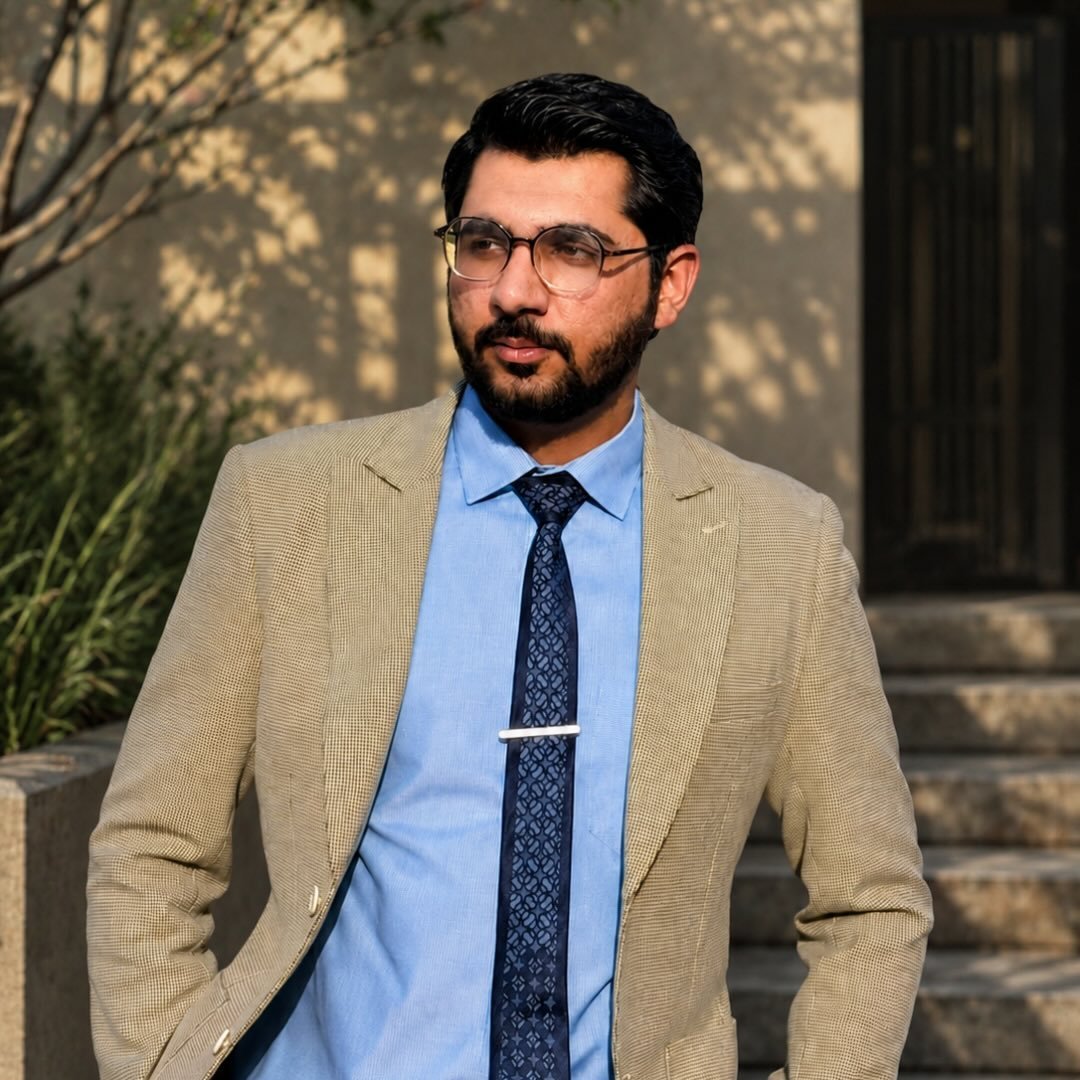
Waleed Qamar holds a BSc in Computer Science from Purdue University and has spent the years since turning that technical foundation into something the curriculum never covered: figuring out why websites rank, why they fall, and why most businesses never find out until it is too late.
Pakistan-born and based between the United States and South Asia, he has managed search visibility for e-commerce stores, local service businesses, and SaaS startups across two continents. He started in SEO when guest posting still worked, survived the Penguin update, and has rebuilt client sites from scratch after algorithm hits more than once.
He has watched good businesses get sold packages that looked like progress and delivered nothing lasting. He has also seen the right approach quietly double a site’s traffic without a single press release about it.
His writing on SEO By Highsoftware99 covers Google algorithm updates, autocomplete optimization, semantic SEO structure, and the widening gap between what agencies promise and what Google actually rewards in 2026.
He knows what a traffic cliff looks like in Search Console on the morning you discover it.
