

*By Waleed Qamar | SEO By Highsoftware99*
—
The page had everything. Proper schema markup. An author bio with verifiable credentials. Original survey data cited from a named research source. Internal linking that actually reflected the site architecture rather than just pointing at the homepage. The meta description was clean, the Core Web Vitals were green, and the content was written by someone who genuinely knew the subject. It ranked fourth.
Above it: a Reddit thread from 2021 with forty-seven upvotes and a top comment that started with "not sure if this helps but." A Quora answer from an account with no profile photo. A forum post on a niche community site where the CSS had not rendered correctly since 2019. Google put all three above the page I had spent two months helping build.

Image credit: Screenshot from "How to Use Reddit to Dominate AI Search Rankings in 2026" by Surfer Academy on YouTube (https://www.youtube.com/watch?v=YsP52IvoDEQ).
That is not a coincidence. That is a policy decision, and the sooner publishers and small business owners understand it as a deliberate choice rather than an algorithm glitch, the sooner they can stop waiting for it to correct itself.
What happened between 2023 and 2025 is not complicated in hindsight. AI content tools made it possible to produce optimised, plausible-sounding articles at a scale that would have required hundreds of writers two years earlier. The web filled up fast. Not with junk that was obviously junk, but with content that was technically correct, structurally sound, and completely hollow in the way that matters to Google now: it had no origin. No one had actually done the thing the article described. No one had the problem the article claimed to solve. It was language that had learned to imitate experience.
Google's response was to weight signals that AI could not easily fake at scale. Forums are messy. They are inconsistent. A thread on a home improvement community does not have optimised H2s or a table of contents or a FAQ schema block. What it has is a timestamp, an account history, and a reply from someone who says "I tried this and the pipe still leaked" followed by another reply that says "yeah that happened to me too, here is what actually fixed it." That exchange pattern is structurally expensive to fake across millions of threads. So Google started trusting it.
The conventional wisdom when this shift started was that the answer was better E-E-A-T signals: more author credentials, more first-person experience markers, more citations. That advice is not wrong. But for a stretch of time in late 2024, following it produced almost no ranking recovery for the sites I was working on, because the issue was not that Google thought the content was low quality. The issue was that Google had stopped using quality signals as the primary ranking input for a significant share of informational queries. It was using authenticity signals, and those are harder to manufacture than quality signals, even with legitimate content.
The publishers who got hit hardest were not the ones running AI farms. A lot of them were running perfectly good content operations that happened to produce articles which looked, structurally, like the AI content that had flooded their query spaces. Clean formatting, authoritative tone, comprehensive coverage. Exactly the right things. Google's classifier was not distinguishing between them and the flood around them. The sites that survived were the ones with something Google could verify independently: a real author with a paper trail, a brand mentioned in external conversations, content that got cited rather than just indexed.
The agencies that sold AI content strategies at scale between 2022 and 2024 are now selling recovery services. Some of them are the same companies. That is not a conspiracy. That is a business model, and it works because the clients do not always know it is the same product being repackaged. The practical damage is real: sites that took the shortcuts are now competing against Reddit threads for the queries they used to own.
There is an honest answer for small businesses sitting with this right now. You can build content that Google will eventually trust more than a forum thread, but it requires the thing that was always required and is now non-negotiable: someone who actually did the thing writing about having done it. That has always been what worked. The AI flood just made Google desperate enough to enforce it.
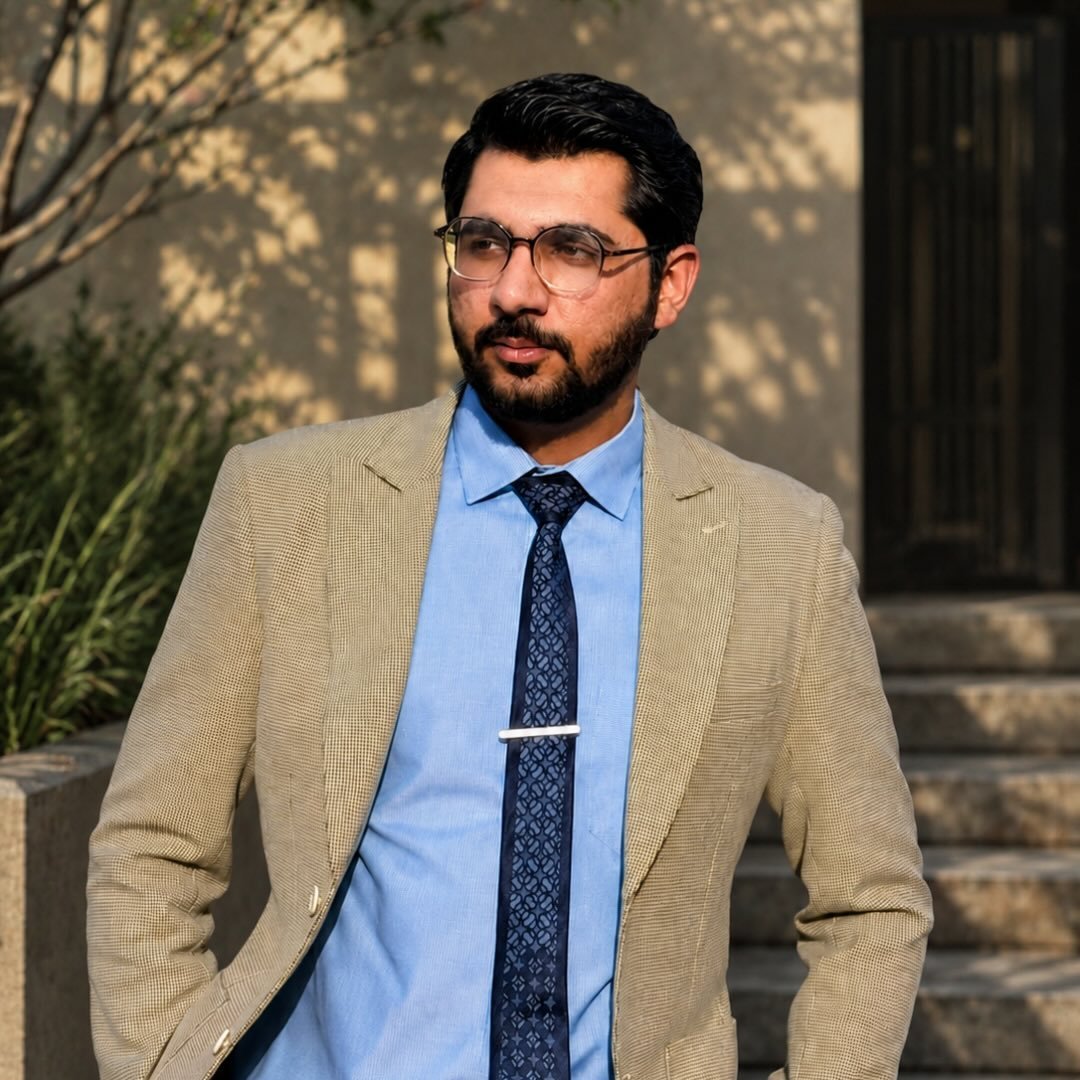
Waleed Qamar holds a BSc in Computer Science from Purdue University and has spent the years since turning that technical foundation into something the curriculum never covered: figuring out why websites rank, why they fall, and why most businesses never find out until it is too late.
Pakistan-born and based between the United States and South Asia, he has managed search visibility for e-commerce stores, local service businesses, and SaaS startups across two continents. He started in SEO when guest posting still worked, survived the Penguin update, and has rebuilt client sites from scratch after algorithm hits more than once.
He has watched good businesses get sold packages that looked like progress and delivered nothing lasting. He has also seen the right approach quietly double a site’s traffic without a single press release about it.
His writing on SEO By Highsoftware99 covers Google algorithm updates, autocomplete optimization, semantic SEO structure, and the widening gap between what agencies promise and what Google actually rewards in 2026.
He knows what a traffic cliff looks like in Search Console on the morning you discover it.