

The report came in at 7 AM on a Tuesday. The client had already read it before I had. She was in Mumbai, three different time zones ahead of me, and her first message was a screenshot of her Search Console with a highlight around the CTR column. Everything had dropped. Not by a little. Impressions were up fifteen percent over the quarter. Clicks were flat. Click-through rate had slipped from 4.1 to 2.8 and still going.
"The agency says we're ranking better," she wrote. "Why are we getting less traffic?"
That is the question 2026 is going to force every business owner to sit with. Not because Google got worse at its job. Because it got better.
Fifty-eight percent of searches now end without a single click. That number comes from SparkToro's tracking data, and before anyone argues methodology, the directional truth is what matters: Google is serving more and more answers directly in the results page, and a significant portion of people searching are satisfied enough by what they see that they never visit any website. Not the ranking one. Not even the one with the featured snippet. Nobody.
The reflex I see from businesses when they hear this is one of two things. Either they panic and start questioning their entire SEO investment, or they dismiss it because their particular traffic numbers look fine this quarter. Both responses miss what the number is actually telling you.
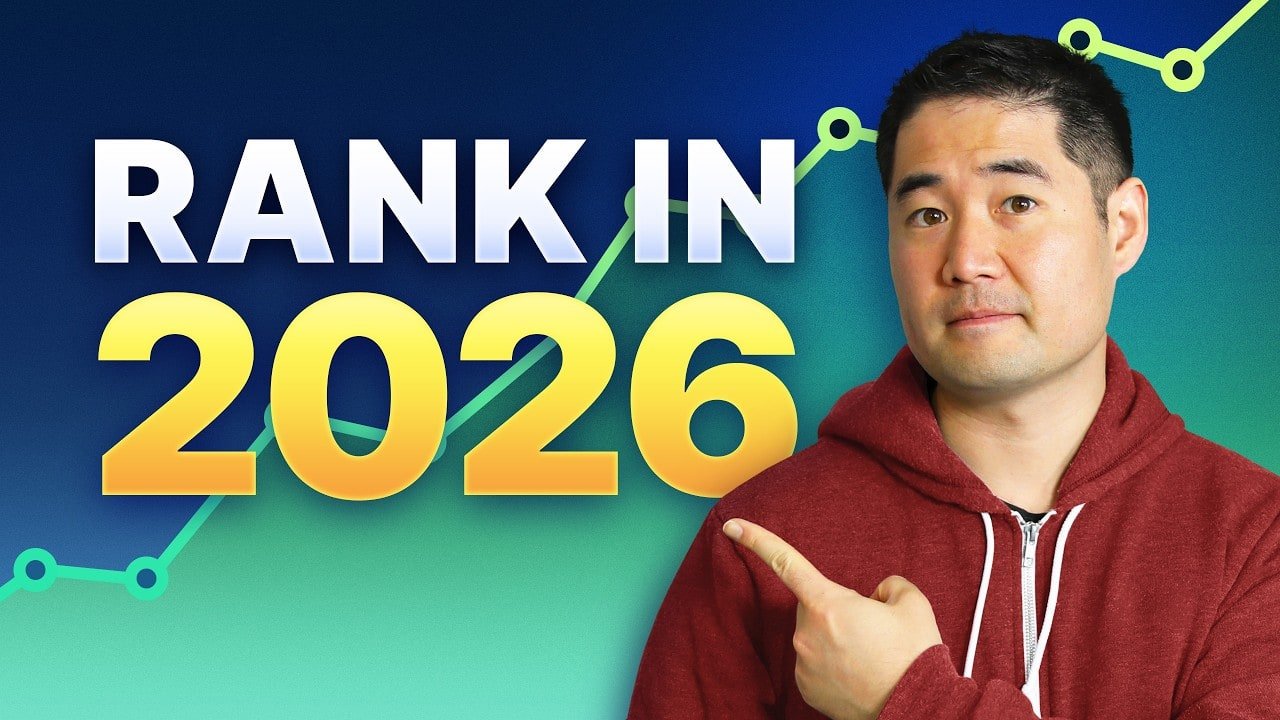
Image credit: Screenshot from "SEO in 2026: How I'd Rank in Google in the AI Era" by Ahrefs on YouTube (https://www.youtube.com/watch?v=tiW6xRYSXmM).
Here is what it is not telling you: that SEO is dead, or that rankings do not matter, or that you should shift everything to paid. Anyone selling you that reading has something to gain from the pivot. I have watched enough of those conversations happen to know that the anxiety around zero-click is often most useful to people who would prefer you to stop thinking about organic altogether.
What it is telling you is something more specific and more actionable if you are willing to look at it directly. Google has colonized certain categories of search intent entirely. Informational queries with clean, definitive answers: weather, unit conversions, basic definitions, how-to questions with short solutions. Those were already Google's territory before anyone coined the term zero-click. The stat getting worse every year reflects Google getting more efficient at absorbing them. Fighting for those queries by publishing "what is a CTA" articles was never a strategy. It was content production masquerading as one.
The searches where clicks still happen, and they do still happen at scale, are the searches where the user's problem cannot be resolved by a paragraph in a SERP. Transactional queries. Research-heavy purchases. Local intent. Comparison searches where the user needs to read, not skim. If your business operates in spaces where the decision requires more than a featured snippet can deliver, your click rates should not be falling off the cliff that the aggregate stat suggests.
I tested this with a home services client in the US last year. We pulled their zero-click exposure by query type and found they were spending significant content budget trying to rank for queries Google was already answering completely in-SERP. Completely. Rich result, entity panel, local pack. Google had the full answer before the user ever thought about scrolling. We pulled resources from those queries and redirected toward commercial investigation keywords the client had been ignoring because the search volume looked lower on the surface. Within two quarters, traffic volume dropped slightly. Revenue from organic went up. The volume metric had been flattering the situation without measuring it.
The agency before me had been reporting impressions as a success metric. Impressions went up, they wrote. Growth. But impressions in zero-click territory are not growth. They are visibility into a room Google has already locked from the inside.
My client in Mumbai took a while to accept this. She had been told by enough people that higher rankings equal more traffic that rewiring that equation felt counterintuitive. The reframe that landed was this: the 58 percent is not your problem if you are not competing for the 58 percent. The map changed. The question is whether you are still trying to navigate by the old one.
Ranking for the wrong search intent in 2026 is not just a waste of effort. It is a very confident way of measuring your progress toward a destination you are never going to reach.
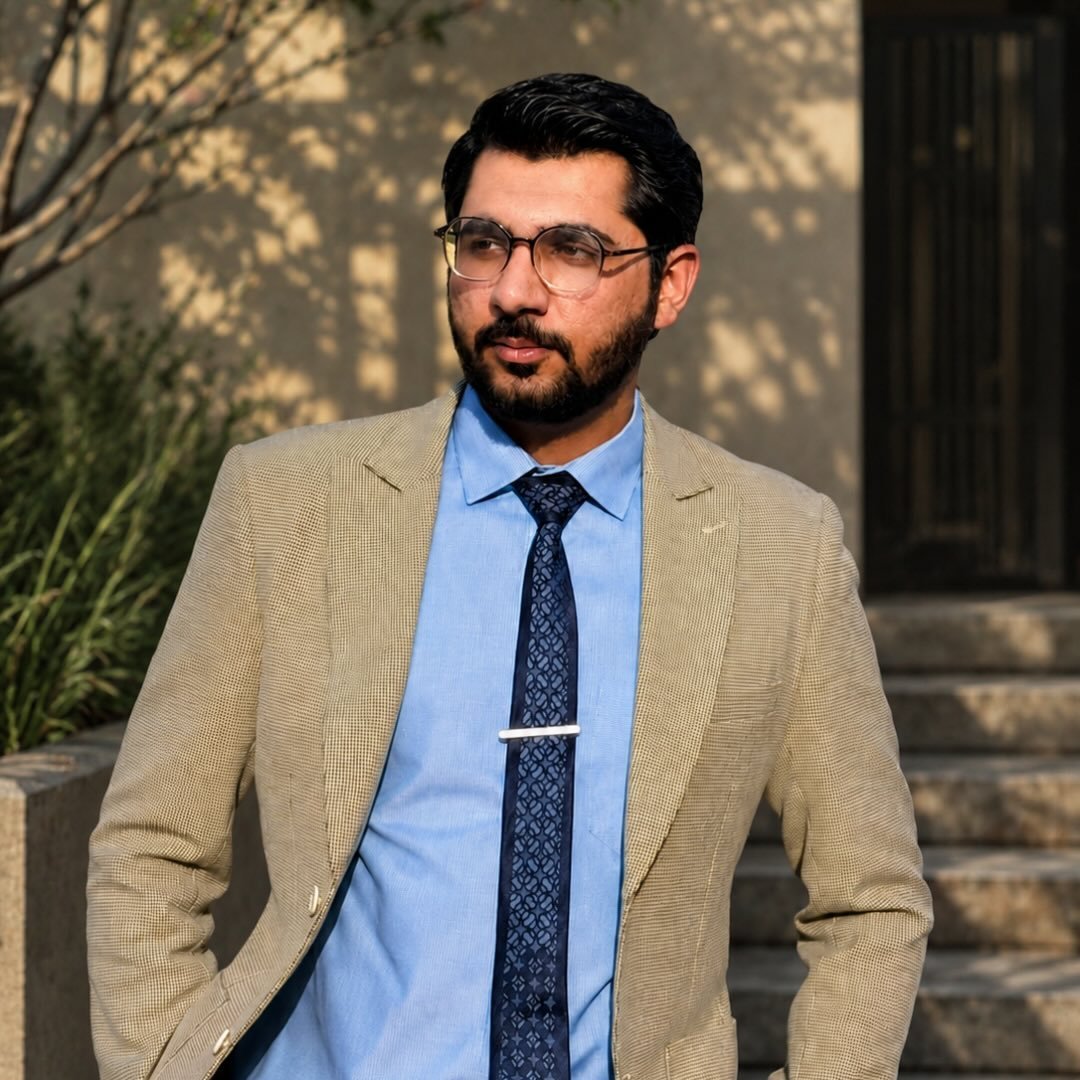
Waleed Qamar holds a BSc in Computer Science from Purdue University and has spent the years since turning that technical foundation into something the curriculum never covered: figuring out why websites rank, why they fall, and why most businesses never find out until it is too late.
Pakistan-born and based between the United States and South Asia, he has managed search visibility for e-commerce stores, local service businesses, and SaaS startups across two continents. He started in SEO when guest posting still worked, survived the Penguin update, and has rebuilt client sites from scratch after algorithm hits more than once.
He has watched good businesses get sold packages that looked like progress and delivered nothing lasting. He has also seen the right approach quietly double a site’s traffic without a single press release about it.
His writing on SEO By Highsoftware99 covers Google algorithm updates, autocomplete optimization, semantic SEO structure, and the widening gap between what agencies promise and what Google actually rewards in 2026.
He knows what a traffic cliff looks like in Search Console on the morning you discover it.