

*By Waleed Qamar | SEO By Highsoftware99*
—
The spreadsheet had two columns. Impressions: up 40% year over year. Clicks: down 22% over the same period. The client had highlighted the impressions column in green, the way you do when you're looking for good news to share with a founder. She asked me if this meant her SEO was working.
No. It means Google is showing her pages to more people and sending fewer of them to her site. That is not the same thing as SEO working.
Liz Reid, who runs Google Search, told reporters at I/O last month that query volume hit an all-time high last quarter. Google Search revenue hit $60.4 billion in Q1, up 19% year over year. More people are searching on Google than at any point in the company's history. That number is real. So is this one: Chartbeat tracked publisher traffic across more than 2,500 websites and found that Google search referrals dropped by roughly a third globally in the twelve months to November 2025. In the US, it was 38%. Seer Interactive measured click-through rates on queries where AI Overviews appeared and found they fell from 1.76% in 2024 to 0.61% in 2025. That is a 61% drop in one year. Pew Research ran 68,000 real search queries and found that when an AI Overview appeared, users clicked a traditional result 8% of the time. Without an AI Overview, they clicked 15% of the time.
Image credit: Screenshot from "New Report: Google AI Overviews Cause a 60% Traffic Drop for Small Websites!" by BrenTech on YouTube (https://www.youtube.com/watch?v=ujTowFCnGVw).
These numbers belong in the same sentence because they describe the same machine. The machine takes more queries and returns fewer exits. Google has not built a better mousetrap. It has built a better hotel. People check in at the search box and stay inside the building.
Reid's response to this, in a blog post last August, was that organic click volume was "relatively stable" and that quality clicks had increased. The post contained no data. Not a single number. I have worked in this industry long enough to know what a claim with no data attached to it means, and I do not need to spell that out.
Here is where I found myself getting something wrong. Through 2024, my advice to content-heavy clients worried about AI Overview exposure was straightforward: build pages that go deeper than a quick answer can reach. Structure content around queries that require comparison, nuance, or process. The AI Overview handles the surface; the click goes to whoever handles what comes after it.
That held for a while. It does not hold as consistently now. I have watched Ahrefs document that AI Overviews correlate with a 58% reduction in click-through rates for top-ranking pages, nearly double what it was in April 2025. The depth strategy was right about the direction and wrong about the ceiling. Google keeps expanding what qualifies as an answerable surface. Queries that were reliably sending clicks a year ago are now being caught in the overview layer. The boundary keeps moving.
What I have not changed my mind about is what Google's framing of "quality clicks" is actually doing. The argument is: fewer clicks, but better ones. People who click now really want to be there. The rest were just bouncing anyway. Business Insider lost 55% of its Google traffic. Forbes lost roughly half. These are not sites that existed to answer "when is the next full moon." The audiences those numbers represent were not bounce traffic. They were readers. The argument that their departure represents a quality improvement is not an argument about SEO. It is a reframing of a loss as a feature.
What makes this structurally different from previous algorithm shifts is that Google's revenue is not suffering alongside publishers. Network advertising revenue, the part that flows through publisher ad inventory, declined 1% year over year in Q2 2025. Google's own search advertising was up 19% in Q1 2026. The divergence is not a side effect. It is the business model. Google retains the query, retains the user, serves the ad, and does not share the referral. Publishers retain the cost of producing the content that trained the answer.
One of my clients asked me in January whether to keep investing in content. Good question. The content strategy that existed to win traffic from informational queries is operating in a fundamentally changed environment, and the right answer varies based on category, margin, and whether the business has other channels that compound. What I told her was this: the content you would have built to rank in 2023 and the content you should build now are not the same brief, and if your agency hasn't explained why, that is the problem to solve first.
Query volume is at an all-time high. Publisher traffic is at an all-time low. The gap between those two numbers is Google's product, not a bug in it.
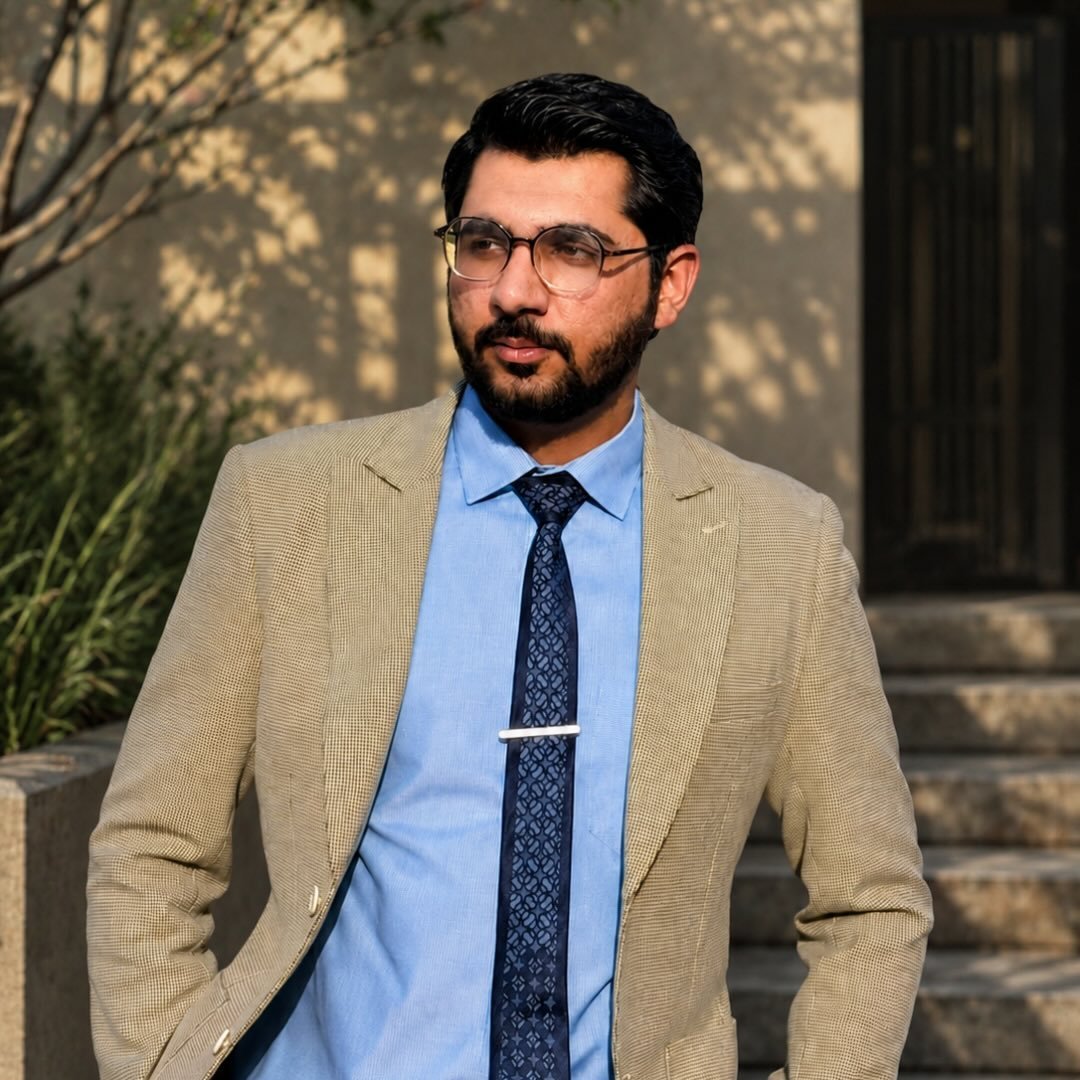
Waleed Qamar holds a BSc in Computer Science from Purdue University and has spent the years since turning that technical foundation into something the curriculum never covered: figuring out why websites rank, why they fall, and why most businesses never find out until it is too late.
Pakistan-born and based between the United States and South Asia, he has managed search visibility for e-commerce stores, local service businesses, and SaaS startups across two continents. He started in SEO when guest posting still worked, survived the Penguin update, and has rebuilt client sites from scratch after algorithm hits more than once.
He has watched good businesses get sold packages that looked like progress and delivered nothing lasting. He has also seen the right approach quietly double a site’s traffic without a single press release about it.
His writing on SEO By Highsoftware99 covers Google algorithm updates, autocomplete optimization, semantic SEO structure, and the widening gap between what agencies promise and what Google actually rewards in 2026.
He knows what a traffic cliff looks like in Search Console on the morning you discover it.