


The number that stopped me was 34. Thirty-four percent organic traffic decline, year over year, on a content site that had done nothing wrong in the traditional sense. Good editorial standards. Real authors. Clean crawl profile. Pages that loaded fast and answered the questions people were actually searching for. And the traffic was in freefall anyway.
That was early 2025. I filed it as a data point. By the time Conde Nast cited search traffic decline as a contributing factor in its 2026 layoffs, I had a folder full of similar data points, and none of it surprised me.
What has surprised me is how little of the coverage has named the actual cause. The framing across most media reporting has been "changing digital landscape" and "shifts in reader behavior" and "the challenges facing publishing." These phrases are accurate the way that saying someone got wet in a rainstorm is accurate. They leave out the part about who controls the weather.
Google changed what it shows in search results. That is the through-line being softened out of the Conde Nast story. AI Overviews now sit above editorial content on thousands of informational queries that publishers built their entire traffic model on. Reddit threads and forum discussions, which Google started surfacing aggressively after its deal with Reddit closed, are occupying positions that long-form journalism used to hold. And Google's own properties, Knowledge Panels, direct answers, featured snippets that pull the answer without the click, are doing what they have always been designed to do: keep users inside Google.
Publishers were told, for years, that the path through this was EEAT. Experience, Expertise, Authoritativeness, Trustworthiness. Build real credentials. Use real writers. Create content that demonstrates genuine depth. I watched clients spend serious money on exactly this, restructuring content operations around the signals Google said it valued.
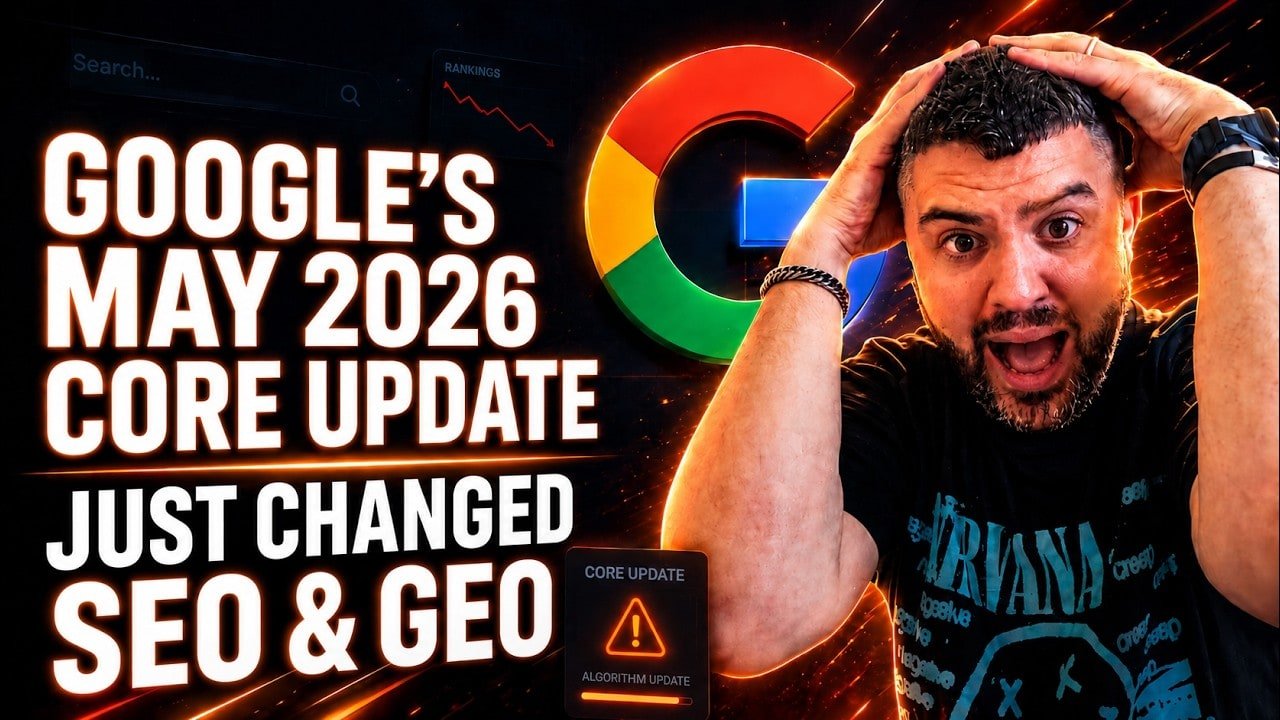
Image credit: Screenshot from "Google’s May 2026 Core Update Just Changed SEO & GEO" by Total Authority on YouTube (https://www.youtube.com/watch?v=JYdLaSv6-SQ).
Here is where the conventional wisdom broke down specifically. EEAT is a real signal. It helped on some queries, at some sites, for some time. But it was never a guarantee against Google deciding that a Reddit thread with 400 upvotes was a better result than a meticulously reported piece from a credentialed journalist. EEAT describes what Google wants from content. It does not constrain what Google can do with its results pages. Those are two different things, and conflating them cost a lot of publishers their traffic.
I worked with a mid-size media client in 2024 that had done the EEAT work properly. Named authors with verified credentials. Schema markup on every article. A backlink profile that any practitioner would consider solid. Their organic search traffic dropped 28 percent in six months across their informational content category. Not because they had done anything wrong. Because the queries they ranked for had shifted toward AI Overview responses, and their click-through rates collapsed even when their rankings held.
That is the part of this story that is genuinely hard to explain to someone who still believes SEO is primarily about what you control on your own site. You can do everything correctly and still watch your traffic decline because the environment around your rankings changed in ways you had no input on.
The Conde Nast layoffs are not a media industry story in the sense that they are usually being covered. They are not primarily about print dying or advertising shifting or younger readers behaving differently. They are about a platform dependency the industry spent years building and is now paying for. The platform is Google. The dependency is organic search traffic. And the terms of that dependency changed without negotiation.
Small and mid-size businesses have been living this story longer than the big publishers. The publishers just had enough revenue buffer to absorb several years of erosion before it showed up in headcount. The local service company that lost 40 percent of its organic leads in 2023 did not have that buffer. Neither did the e-commerce store whose category pages got displaced by Google Shopping and AI-generated product summaries.
The Conde Nast story is not a warning. It is a confirmation. The warning came years earlier, and most people who heard it assumed it applied to someone else.
If you are building a business that depends on organic search traffic, you are building on land you do not own, and the landlord rewrites the lease whenever it suits them. That has always been true, but 2026 is the year it stopped being something you could argue away.
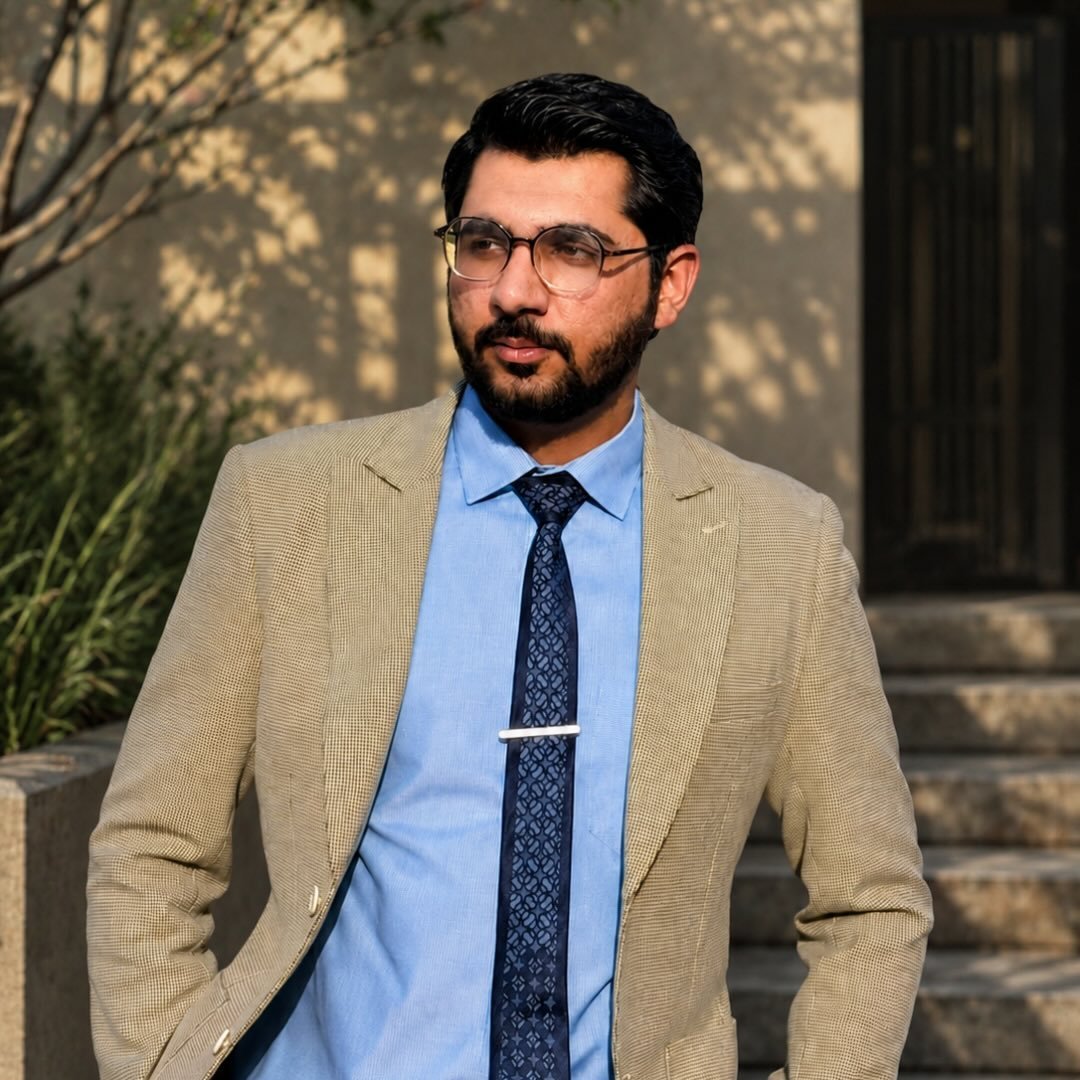
Waleed Qamar holds a BSc in Computer Science from Purdue University and has spent the years since turning that technical foundation into something the curriculum never covered: figuring out why websites rank, why they fall, and why most businesses never find out until it is too late.
Pakistan-born and based between the United States and South Asia, he has managed search visibility for e-commerce stores, local service businesses, and SaaS startups across two continents. He started in SEO when guest posting still worked, survived the Penguin update, and has rebuilt client sites from scratch after algorithm hits more than once.
He has watched good businesses get sold packages that looked like progress and delivered nothing lasting. He has also seen the right approach quietly double a site’s traffic without a single press release about it.
His writing on SEO By Highsoftware99 covers Google algorithm updates, autocomplete optimization, semantic SEO structure, and the widening gap between what agencies promise and what Google actually rewards in 2026.
He knows what a traffic cliff looks like in Search Console on the morning you discover it.
