

*By Waleed Qamar | SEO By Highsoftware99*
—
The first sign was in Search Console, and it looked like a typo. Discover impressions, down 74% from the week prior. Not a gradual slope. A wall. The editor on the other end of my call kept saying "but we followed all the advice." I had heard that sentence enough times to know exactly what it meant: they had followed someone else's advice, and now it was my job to figure out which part of it had just burned them.
February 2026. Google pushed an update to its Discover algorithm that most editorial publishers either did not notice or misread as a general helpful content signal. It was not. It was something more specific, and the distinction matters if you are running a content operation that depends on Discover for any meaningful share of its traffic.
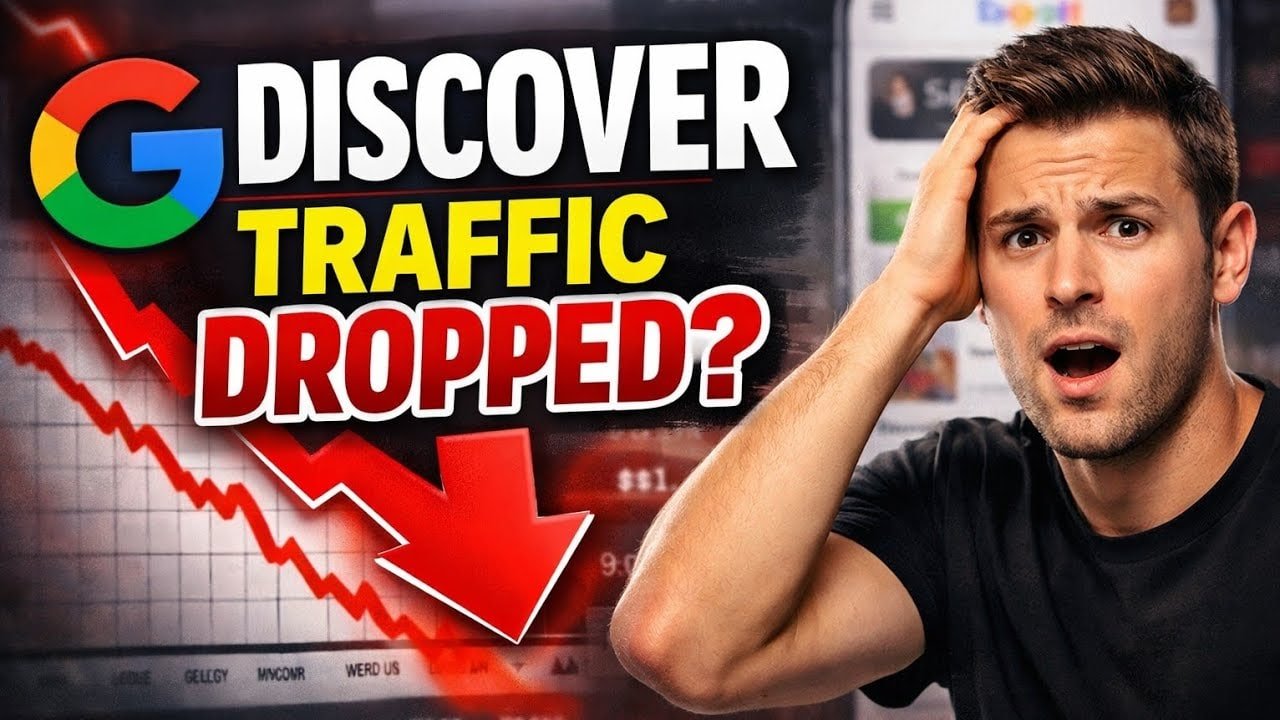
Image credit: Screenshot from "Google Discover Update 2026 | Why Traffic Dropped & How to Fix It" by The SEO Workshop on YouTube (https://www.youtube.com/watch?v=fiZkdC2EvV0).
What changed is that Google started weighting entity authority at the author level, not just the domain level, with significantly more granularity than before. The industry has been talking about entity SEO for years, but the way it manifested in Discover was different from how it works in Search. In Search, you can build entity association for a domain through consistent topical clustering, internal linking architecture, and citation patterns. Discover does not work the same way. Discover is serving content to people who are not searching for anything. The signal Google is reading is not "does this page match a query." It is something closer to: "does this source have a pattern of producing content that a person with these interests has found valuable before?" That shift in how authority gets attributed is what the February update formalized, and it is what most publishers were not built for.
The publishers who got hurt worst were running operations I have seen a dozen times: high publishing velocity, broad coverage, optimised for CTR signals, plenty of large images and punchy headlines. They had done exactly what the conventional Discover advice told them to do. For most of 2024 and into 2025, that actually worked. Then it stopped working very suddenly.
Here is where the conventional wisdom was specifically wrong. The advice going around was that Discover rewards freshness and visual engagement. That is still partially true, but February rewrote the weighting. The update appears to have pulled forward something closer to a topical trust signal: not "is this new" and not "will this get clicked" but "is this from a source that has a coherent editorial position on this subject over time." Publishers who had diversified aggressively into AI-assisted content across wide topic ranges saw their Discover footprint collapse even when their Search rankings held steady. That gap between Search performance and Discover performance is the tell. If you have a client whose organic traffic looks fine but Discover has dropped, you are looking at an entity coherence problem, not a technical one.
What actually worked, and I am giving credit here because it genuinely surprised me, was a smaller operation I had been working with that had resisted pressure to scale its content output. One writer, one subject area, published twice a week. Their Discover traffic went up in February. Not because they did anything clever. Because Google finally had enough signal to associate a specific author identity with a specific subject area, and that association became load-bearing in a way it had not been before.
I have seen agencies sell Discover optimisation as a separate service, usually packaged around image size specs, headline formulas, and a publishing calendar. That will not be enough now, and in some cases it will make things worse if it substitutes for actual editorial depth. The image specs matter. The headline logic matters. But they are downstream of a question no content calendar can answer for you: whether the person publishing under your domain name actually knows the subject well enough that Google can build a coherent entity profile around them.
The clients I worry about most right now are the ones who hired someone to build out their content at volume during 2024, got results, and are now looking at a Discover cliff they do not understand. The traffic dropped, but the content is still live, and the entity signal that content built is still attached to the domain. The cleanup on those sites is going to take longer than the damage did to accumulate. That is not a comforting thing to tell someone, but it is the accurate one.
If you built your Discover presence on volume and velocity last year, the February update did not punish your content. It exposed that the foundation was thinner than the traffic made it look.
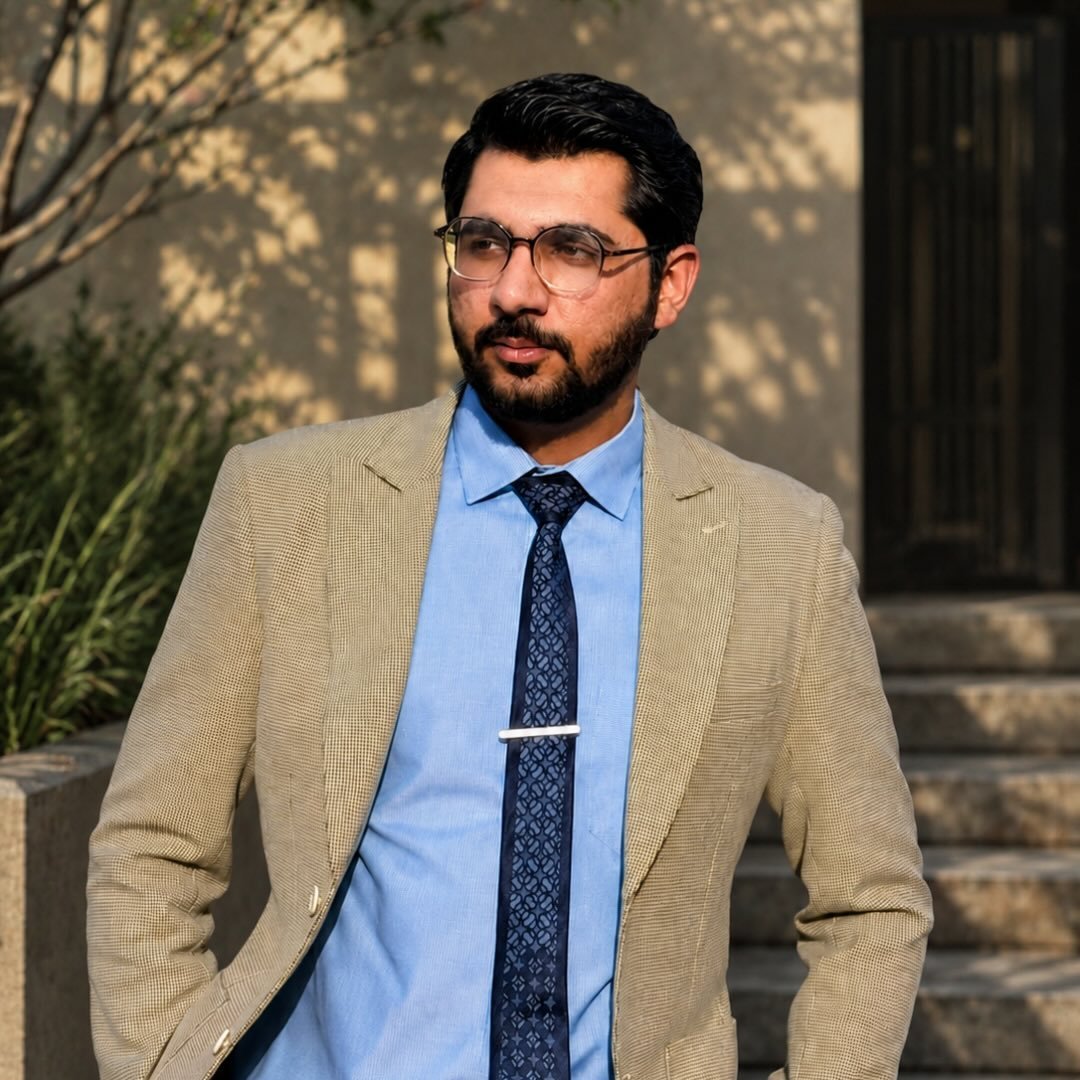
Waleed Qamar holds a BSc in Computer Science from Purdue University and has spent the years since turning that technical foundation into something the curriculum never covered: figuring out why websites rank, why they fall, and why most businesses never find out until it is too late.
Pakistan-born and based between the United States and South Asia, he has managed search visibility for e-commerce stores, local service businesses, and SaaS startups across two continents. He started in SEO when guest posting still worked, survived the Penguin update, and has rebuilt client sites from scratch after algorithm hits more than once.
He has watched good businesses get sold packages that looked like progress and delivered nothing lasting. He has also seen the right approach quietly double a site’s traffic without a single press release about it.
His writing on SEO By Highsoftware99 covers Google algorithm updates, autocomplete optimization, semantic SEO structure, and the widening gap between what agencies promise and what Google actually rewards in 2026.
He knows what a traffic cliff looks like in Search Console on the morning you discover it.